Catch Sparks, Keep Them Alive

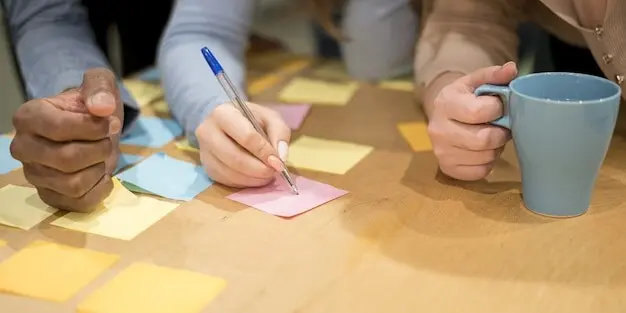
Today we dive into creative note-taking and idea capture, exploring reliable ways to catch fleeting sparks before they vanish. Expect practical workflows, human stories, and research-backed methods that transform scattered fragments into useful insight. Bookmark this page, share your experiments, and subscribe to keep learning together as we build momentum, organize ideas, and turn inspiration into consistent action you can trust every single day.

Designing a Capture Habit That Sticks

A lasting capture habit begins with friction-free moves you can repeat on chaotic mornings and quiet evenings alike. By simplifying tools, lowering decision fatigue, and setting tiny, satisfying triggers, you’ll record more insights with less stress. We’ll combine behavioral cues, accountability nudges, and gentle reviews to ensure each note remains visible, actionable, and ready to support your next creative leap without overwhelming your attention.

Paper, Pixels, and the Hybrid Mind

Analog and digital each offer distinct cognitive textures. Paper invites slow thinking, free sketches, and embodied memory. Digital grants searchability, backups, and links. Mixing them unlocks a hybrid mind: sketch by hand, snap a photo, add searchable tags, and route everything to a trusted archive. Your workflow becomes forgiving yet powerful, tactile yet future-proof, beautifully suited to evolving ideas.

Structures That Turn Chaos into Gold

{{SECTION_SUBTITLE}}

Zettelkasten, Simply Applied

Instead of complex rituals, keep it simple: one atomic idea per note, a short title, and a link to at least one related note. Over time, patterns emerge. A biology student linked lab observations across weeks and uncovered a counterintuitive trend. The magic isn’t in jargon; it’s in giving each idea a doorway to another, inviting conversations between fragments.

PARA for Real Projects

Group notes by Projects, Areas, Resources, and Archives to reduce friction. Projects hold immediate outcomes; Areas maintain standards; Resources store possibly useful material; Archives preserve completed work. A nonprofit organizer cleared overwhelmed notebooks by routing every item into these homes. When you open your system, you meet exactly what matters now, without sacrificing the context you’ll need later.

From Fragments to Flow

Ideas rarely arrive complete. Turning fragments into flow demands scheduled mixing, reframing, and selective constraints. By pairing odd notes, writing short bridges, and time-boxing drafts, you convert sparks into momentum. This section shows how to schedule serendipity, sprint through synthesis, and incubate drafts responsibly, so you publish consistently without burning your curiosity or losing your spontaneous joy.

Serendipity Sessions

Once a week, shuffle five unrelated notes and force a connection. Give yourself ten minutes and a playful question. A product manager paired a complaint, a metaphor, and a chart, uncovering a pivotal onboarding fix. Engineered randomness reveals invisible threads. When moments feel flat, invite accidents to collaborate. Serendipity rewards curiosity with novel recombinations you never could have scripted.

Synthesis Sprints

Set a twenty-five-minute timer to merge related notes into a coherent paragraph, diagram, or slide. Perfection is banned; movement wins. A teacher stitched messy research summaries into a concise guide for parents before school pickup. Sprints respect limited energy and build a habit of finishing. Each session turns scattered points into a shareable artifact that invites constructive feedback.

Your Visual Alphabet

Master a tiny set of repeatable forms: dots, lines, arrows, boxes, circles, and stick figures. Combine them into metaphors like bridges, ladders, and islands. A consultant’s rough sketches turned a tense kickoff into collaborative problem-solving. People forgive imperfect drawing when meaning is unmistakable. Your alphabet grows with use, empowering fast captures that remain clear weeks or months later.

Layout That Guides Attention

Use columns, clusters, and white space to choreograph the reader’s eye. Start with a bold title, then cascade subheads and frames. A facilitator mapped a workshop in quadrants and maintained group focus without slides. Layout is silent leadership for ideas, reducing cognitive load and spotlighting hierarchy. Simple scaffolds convert frantic scribbles into navigable pages others can discuss and reuse.

Color to Encode Meaning

Color directs interpretation. Assign roles to hues: blue for definitions, green for actions, red for risks, yellow for highlights. A research team unified notebooks with a shared palette and halved re-explanation time. Consistent color turns pages into living legends. Choose accessible contrasts, limit your palette, and let saturation whisper priority rather than shouting over the information you captured.

Collaboration, Feedback, and Sharing

Ideas strengthen through exchange. By capturing transparently, inviting critique, and publishing drafts in safe spaces, you turn notes into bridges. We’ll explore lightweight meeting capture, peer review rituals, and open notebooks like digital gardens. Sharing earlier reduces waste, surfaces blind spots, and attracts collaborators who amplify your strengths while kindly challenging your assumptions before deadlines squeeze your options.

Capturing in Meetings Without Losing Presence

Choose one channel: concise bullets on paper or a shared doc visible to all. Signal decisions with stars, questions with question marks, and owners with initials. A startup replaced chaotic transcripts with crisp action logs and calmer conversations. Presence matters; so does provenance. Capture only what advances outcomes, then confirm next steps aloud before momentum escapes the room again.

Peer Review for Notes

Invite a colleague to comment on raw notes within twenty-four hours. Ask three prompts: what resonates, what confuses, what’s missing. A lab team discovered repeated ambiguity and standardized their experiment templates. Early critique is protective, not punitive, saving months of drift. Treat notes as prototypes, celebrate revisions, and reward candor. Feedback transforms private fragments into shared, reliable knowledge.

Nexosentopalokiramexo
Privacy Overview

This website uses cookies so that we can provide you with the best user experience possible. Cookie information is stored in your browser and performs functions such as recognising you when you return to our website and helping our team to understand which sections of the website you find most interesting and useful.